

The Truth About Bad Breath: What Causes It and How to Fix It
Bad breath, also known as halitosis, is something nearly everyone experiences from time to time. Whether it's first thing in the morning or after eating certain foods, occasional bad breath is completely normal. But if it persists throughout the day—even after brushing your teeth—it may be a sign that something more is going on. In fact, studies estimate that about 1 in 4 people worldwide experience chronic bad breath. While it can be embarrassing, the good news is that it's often treatable once the underlying cause is identified.

The Best and Worst Drinks for Your Teeth, Ranked
Most people know Soda is bad for your teeth and water is good. But beyond those two obvious answers, things get surprisingly murky. Is sparkling water as safe as regular water? Is coffee really that damaging? What about that green tea you’ve been drinking to be healthy? The truth is, what you drink every day has a massive impact on your enamel, your gum health, and your long-term smile; and a few popular “healthy” drinks might be doing more damage than you’d expect.
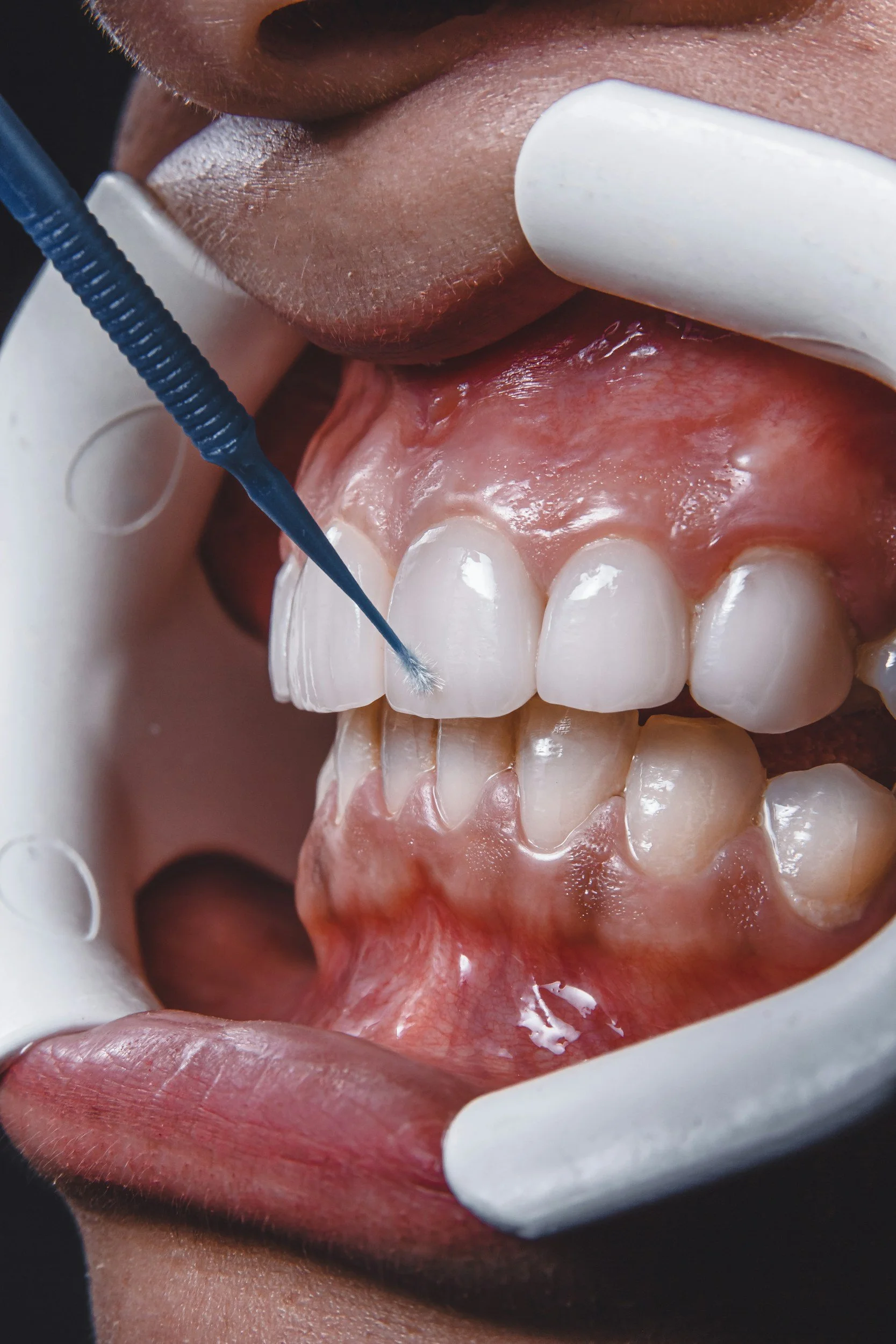
Veneers vs. Whitening vs. Bonding: What’s Right for You?
A brighter, more balanced smile doesn’t come from a one-size-fits-all solution. Veneers, whitening, and bonding are often grouped as cosmetic treatments, but they serve very different purposes. The right choice depends on what you’re trying to change, whether that be color, shape, structure, or all three. Understanding how each option works (and what it can’t do) is key to getting results that look natural and not overdone.
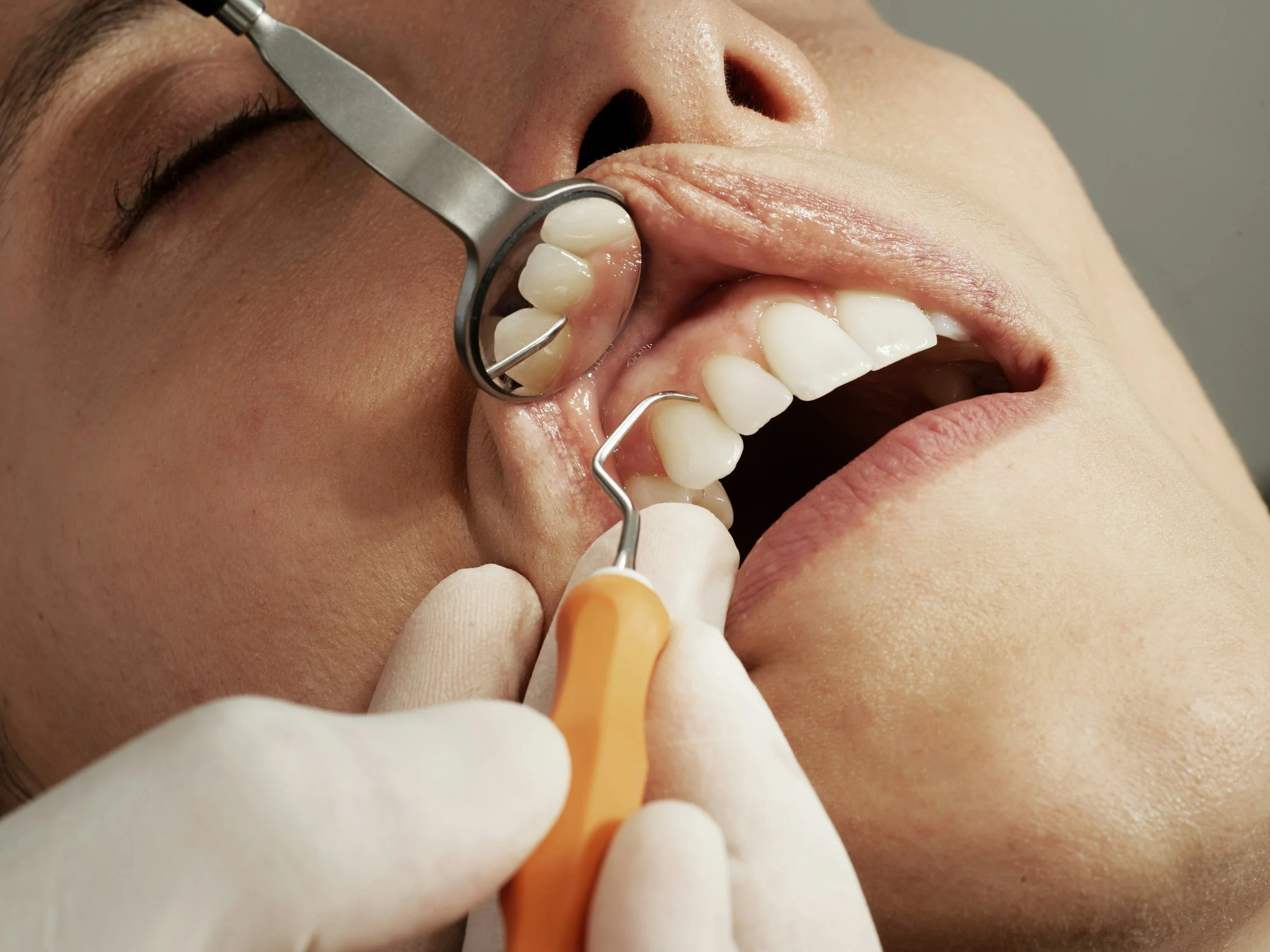
Why Your Gums Bleed (And Why You Shouldn’t Ignore It)
Bleeding gums are one of the most common dental concerns people experience. You might notice a small amount of blood when brushing or flossing and assume it’s nothing serious. Because it doesn’t usually cause pain, it’s easy to overlook. However, gums should not bleed during normal brushing or flossing. Even light bleeding is often a sign of inflammation and an early indicator that your gums need attention. The good news is that, in most cases, this issue is manageable and reversible with proper care.